Used Excavators Are a Minefield! TEX Heavy Equipment’s Avoidance Guide: These Machines Should Not Be Taken Even for Free—Read This Approach Before Buying

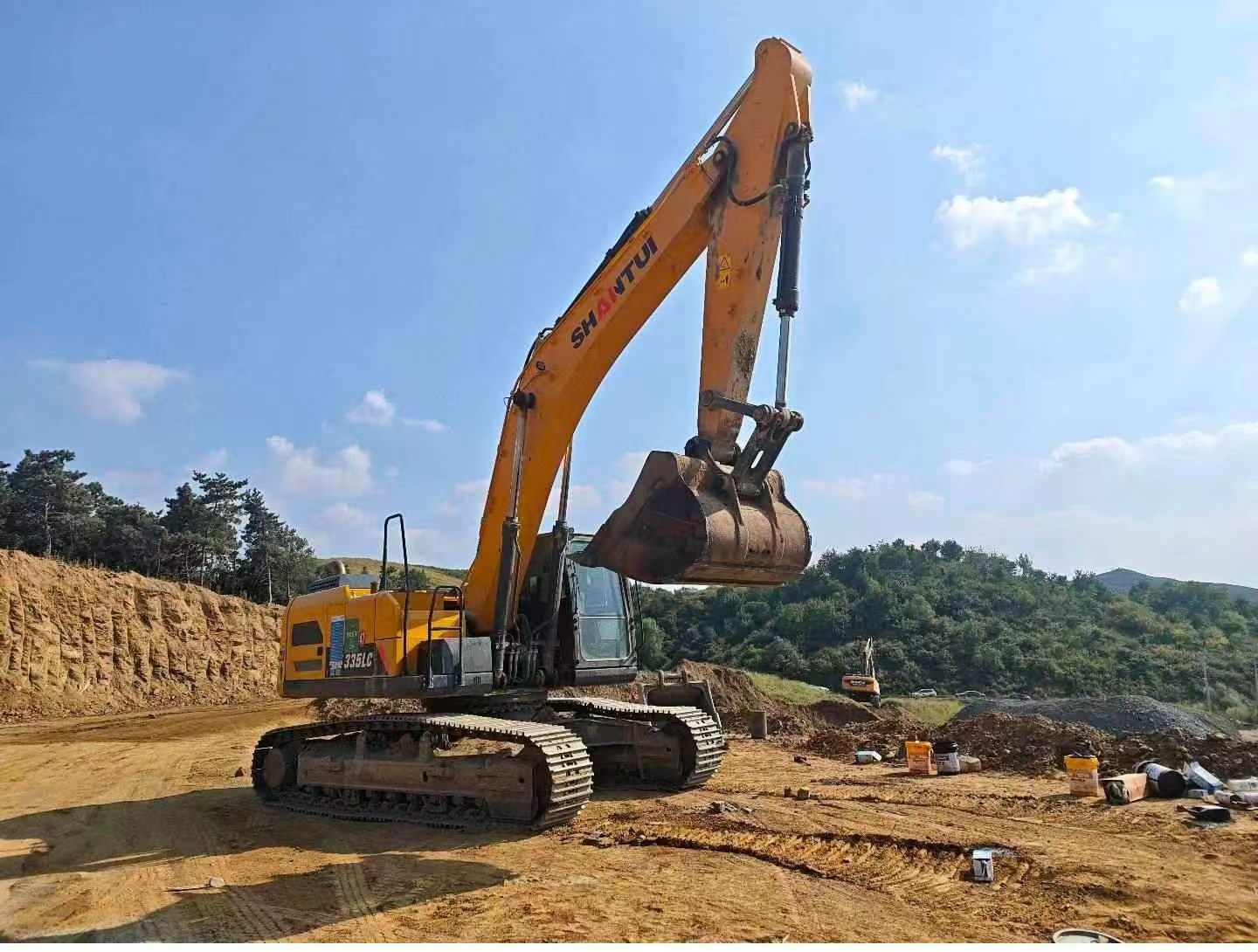
Used excavators really are a minefield. Many excavator owners have learned this the hard way: the machine looks good and the price seems right when you inspect it, but after you buy it and put it to work for a few days, either the hydraulics act up or the electrical system starts causing trouble. Repair costs and downtime losses can be even more frustrating than the purchase price itself.
TEX Heavy Equipment has worked in construction machinery and landscaping/municipal equipment for many years and has seen too many customers buy endless repair headaches because they looked only at price and not at machine condition or paperwork. Used excavators are not impossible to buy—the key is not “whether you dare to buy,” but whether you can rule out machines with serious hidden problems, whether you know how to inspect them, and whether you can move risk to the front end.
In this article, TEX Heavy Equipment will explain clearly: why the used excavator market is so risky, which machines should not be taken even for free, and what approach you should follow when buying a used excavator.
—
1. Why Is the Used Excavator Market So Risky?
The risk in used excavators mainly comes from “information asymmetry.” What you see is a clean, shiny machine, but behind it there may be refurbishment, accident damage, flood damage, or even incomplete paperwork. Common risks include:
· Refurbished machines: The appearance is made to look new, but internal parts are already aged, and the hour meter may have been tampered with.
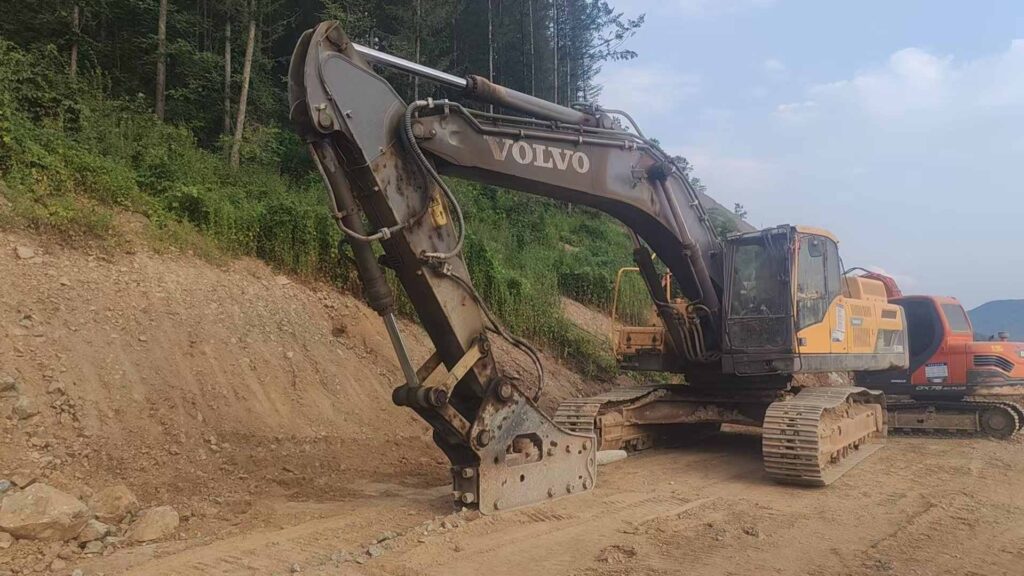
· Accident-damaged machines: The frame, boom, or swing platform has been damaged. It may not be visible from the outside, but problems show up as soon as the machine works.
· Flood-damaged machines: Circuits, connectors, and interiors have been exposed to water, leading to repeated failures later.
· Machines with incomplete paperwork: No certificate of conformity, no invoice, unclear ownership, or unknown origin. Registration, resale, and dispute resolution all become troublesome.
Many newcomers make the same mistake: they look only at price and appearance, not at working condition and paperwork. The result is endless repairs. Experienced hands often say: used excavators can be bought, but first rule out the machines you must not touch.
—
2. These Excavators Should Not Be Taken Even for Free
Type 1: Refurbished Excavators
The most misleading thing about a refurbished excavator is that it “looks new.” The paint is new, the bolts are new, and the welds are new, but the internal parts may already be worn out. After purchase, hydraulic, engine, and electrical problems will emerge one after another.
Focus on the details:
· Paint: Check for old paint underneath, paint runs, color differences, and signs of concealment around edges and corners.
· Bolts: Check whether bolts in key areas have been repeatedly turned, have lost paint, or have stripped threads.
· Welds: Check for fresh welding around the frame, boom, and bucket connections.
· Nameplate and hour meter: Check whether the nameplate is clear, whether the hour meter matches the machine’s condition, and whether the hour meter shows signs of removal.
Type 2: Accident-Damaged Excavators
An accident-damaged machine may be repaired to look very nice, but once the frame, boom, or swing platform has been damaged, strength and stability are affected. After purchase, it may crack here and rattle there.
Focus on:
· Whether the frame is deformed or shows signs of straightening;
· Whether welds have been re-welded or ground down;
· Whether the glass, cab, or boom shows signs of replacement;
· Whether the left and right tracks or swing center show abnormal wear.
Type 3: Flood-Damaged Excavators
The biggest problem with flood-damaged machines is the electrical system. The appearance may look fine, but connectors, wiring harnesses, sensors, and interiors may have been exposed to water. The later failure rate is high, and troubleshooting is time-consuming and expensive.
Focus on:
· Whether electrical connectors contain mud, oxidation, or rust;
· Whether the cab interior shows water marks, musty odors, or re-covering;
· Whether there is mud under the floor and in corner gaps;
· Whether the fuse box, wiring harness, or sensors have been abnormally replaced.
Type 4: Smuggled or Problem Machines with Incomplete Paperwork
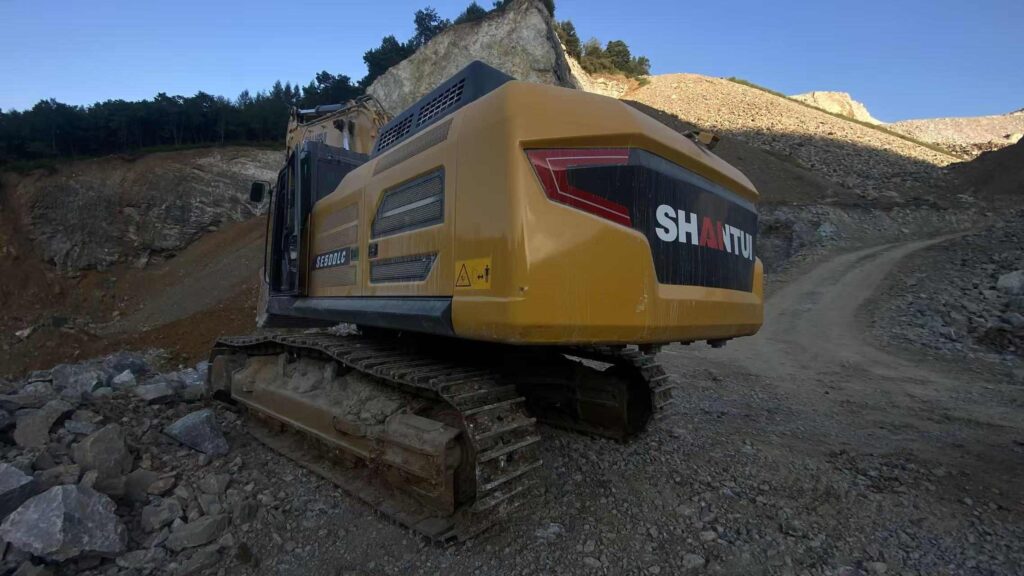
If a machine has no paperwork, no certificate of conformity, no invoice, or unclear ownership, do not touch it no matter how low the price is. You may not be able to register it or resell it, and disputes will be difficult to resolve.
Focus on:
· Whether the certificate of conformity, invoice, ownership proof, and transfer agreement are complete;
· Whether the nameplate, frame number, and engine number match;
· Whether the source is clear: private machine, company machine, auction machine, or trade-in—ask clearly;
· Whether it can be legally transferred or covered by a complete transfer contract.
—
3. Before Buying a Used Excavator, Follow This Approach
Do not start by browsing the market and negotiating price. TEX Heavy Equipment recommends following this order: rule out serious problems first, then match the machine, then inspect it, and finally negotiate the price.
1. Rule Out Machines with Serious Hidden Problems First
Rule out refurbished, accident-damaged, flood-damaged, and paperwork-incomplete machines first. Do not take a chance just because the price is low. The repair and downtime costs of a seriously problematic machine often exceed the money you saved.
2. Define the Working Conditions First, Then the Model
What kind of work will you use the excavator for? Earthmoving, breaking, loading, landscaping, municipal work, or rural infrastructure—different jobs require completely different tonnage, configurations, and attachments. If there are many slopes, narrow sites, or special attachments are needed, matching must be done in advance. Define the working conditions first, then the budget, and finally look for the machine. Do not reverse the order.
3. Do Not Count Only the Purchase Price
Buying a used excavator is only the beginning. Freight, repairs, maintenance, wear parts, and downtime losses all need to be included. If the price is obviously below market, ask one more question: why is it so cheap? There is usually a reason.
4. Choose Relatively Reliable Channels
Private machines, peer transfers, auctions, and dealer trade-ins each have advantages and disadvantages. No matter which channel you use, do the following: check paperwork, check condition, check maintenance records, and check the hour meter. Do not pay a deposit just because an acquaintance said a few good words.
5. Use Third-Party Inspection Whenever Possible
If you do not know excavators well, bring someone experienced or a third-party inspector. Focus on the engine, hydraulic system, swing, travel, frame, electrical system, and hour meter. An inspection report is far more reliable than “it looks good.”
6. Test Operation Is Essential
You must test a used excavator before buying. Test at idle, medium speed, and full speed. Check engine sound, hydraulic response, travel deviation, swing clearance, and whether cylinders creep or make abnormal noises. If the test is too short, many problems will not show up.
7. Keep Contract and Payment Safeguards
Write the machine condition, paperwork, liability for breach, and dispute resolution into the contract. Pay in stages whenever possible; do not pay everything at once. If transfer or a transfer agreement is required, clarify the process in advance.
—
4. Inspection Focus: Static Check, Dynamic Test, Paperwork Check
Static check:
· Whether the frame, boom, and bucket connections are deformed, cracked, or re-welded;
· Whether paint, bolts, and welds show signs of refurbishment;
· Whether the cab, glass, or interior shows signs of accident or flood damage;
· Whether the nameplate, frame number, and engine number match;
· Whether the hour meter, nameplate, and machine condition are consistent.
Dynamic test:
· Whether cold start, idle, and acceleration sound normal;
· Whether hydraulic actions are smooth, with no abnormal noise, creeping, or weakness;
· Whether the swing has clearance or abnormal noise;
· Whether travel deviates or lacks power;
· Whether electrical systems, lights, instruments, and alarms work normally.
Paperwork check:
· Whether the certificate of conformity, invoice, ownership proof, and transfer agreement are complete;
· Whether legal transfer is possible;
· Whether the source is clear and free of mortgages or disputes.
—
5. TEX Heavy Equipment’s Advice: What You Buy in a Used Machine Is “Certainty”
In the used construction machinery industry, TEX Heavy Equipment has always advised customers: what you buy in a used excavator is not “cheapness,” but “certainty.” Certainty about condition, certainty about paperwork, matching working conditions, and connected after-sales support—that is what makes later work worry-free.
For individual users, engineering teams, landscaping and municipal customers, and dealers, TEX Heavy Equipment recommends putting requirements first: discuss working conditions, tonnage, attachments, and budget first, then match machine sources and inspection plans. For bulk purchases, trade-ins, and project cooperation, machine condition standards, delivery requirements, and after-sales responsibilities should also be clarified in writing in advance.
Used excavators are not impossible to buy—they just should not be bought blindly. Refurbished, accident-damaged, flood-damaged, and paperwork-incomplete machines should not be taken even for free; only machines with clear condition, complete paperwork, and normal test operation are worth negotiating over.
If you are looking at a used excavator, or have slope, landscaping, municipal, or earthmoving working conditions that need equipment matching, welcome to discuss your conditions with TEX Heavy Equipment. Rule out the risks first, then talk price—so that what you buy is not an endless pit of repairs.